Chicago, Bridal Market, and the Reality of Working Trade Shows

This month took me back to Chicago — a city I’ve visited more times than I can count.
I’ve attended StyleMax as a boutique buyer. I’ve worked it on the exhibitor side for my mom’s apparel company. And this time, I was there helping out at the Bridal Market. Same city. Different lens.
Why I Was There
I was helping a bridal tech startup founded by my friend Becca.She built something ambitious in the bridal space, and I believe in her enough to show up and support it. I won’t unpack the entire business model here (but if you’re a bride or know a bride — you should definitely check out Dressit!) I respect people who build things. And Becca is a builder.
Trade shows look glamorous from the outside. They are not. Concrete floors.Eight-hour days that turn into twelve.Pitching the same idea again and again. Trying to look alert under convention center lighting. Attending is exhausting. Exhibiting is another level entirely.
But there’s something grounding about being behind the booth. Watching founders test their ideas in real time. Seeing who stops, who listens, who asks questions.
It’s hopeful and brutal at the same time.
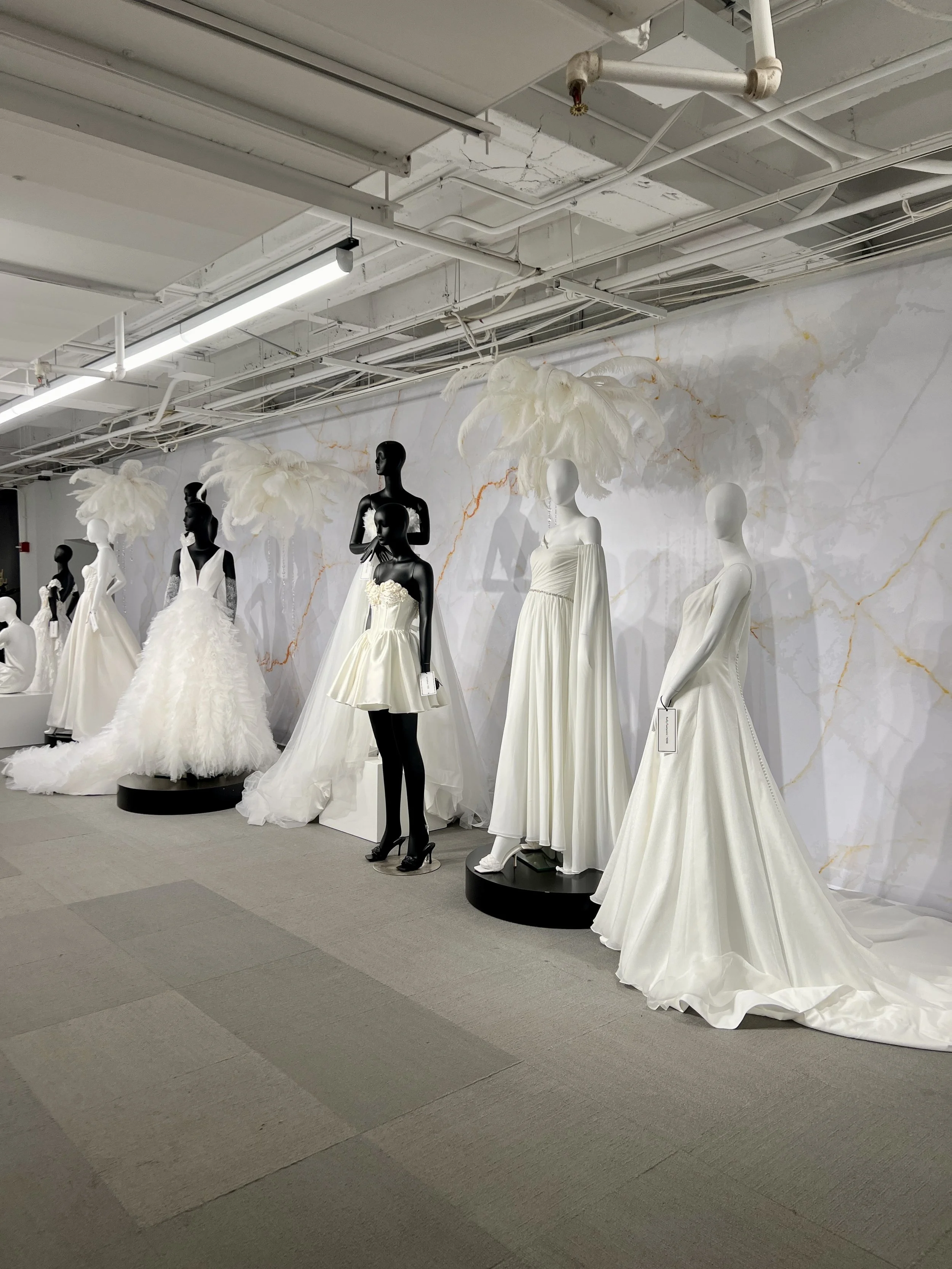

The Outfits
Chicago in March demands layers. I’ve gotten very good at packing for equal parts functionality and fun — a curated selection that works for the event and the after-hours version of it. Trade shows require comfort and structure. The evenings deserve something a little more intentional.
The trench coat carried the entire trip — a vintage Burberry I found at a thrift store in Palm Springs for $100. One of those rare, immediate yes purchases. Structured, timeless, slightly oversized in the best way. There’s something about a classic trench in Chicago. The wind, the architecture, the weight of the fabric moving with you through glass-and-steel streets. It makes everything underneath it feel sharper.Underneath, I leaned into white.
The structured white set with feather trim felt fitting for Bridal Market — even though I’m not engaged or married. There’s something quietly fun about bridal-centered silhouettes. Clean lines. Light fabrics. A little drama without being loud.
It felt appropriate for the setting without feeling costume. Against Chicago’s darker skyline, the look felt deliberate — structured, feminine, strong. Outfits don’t change your performance at a trade show.But they change how you walk into the room, and that matters.






The Chicago Reset
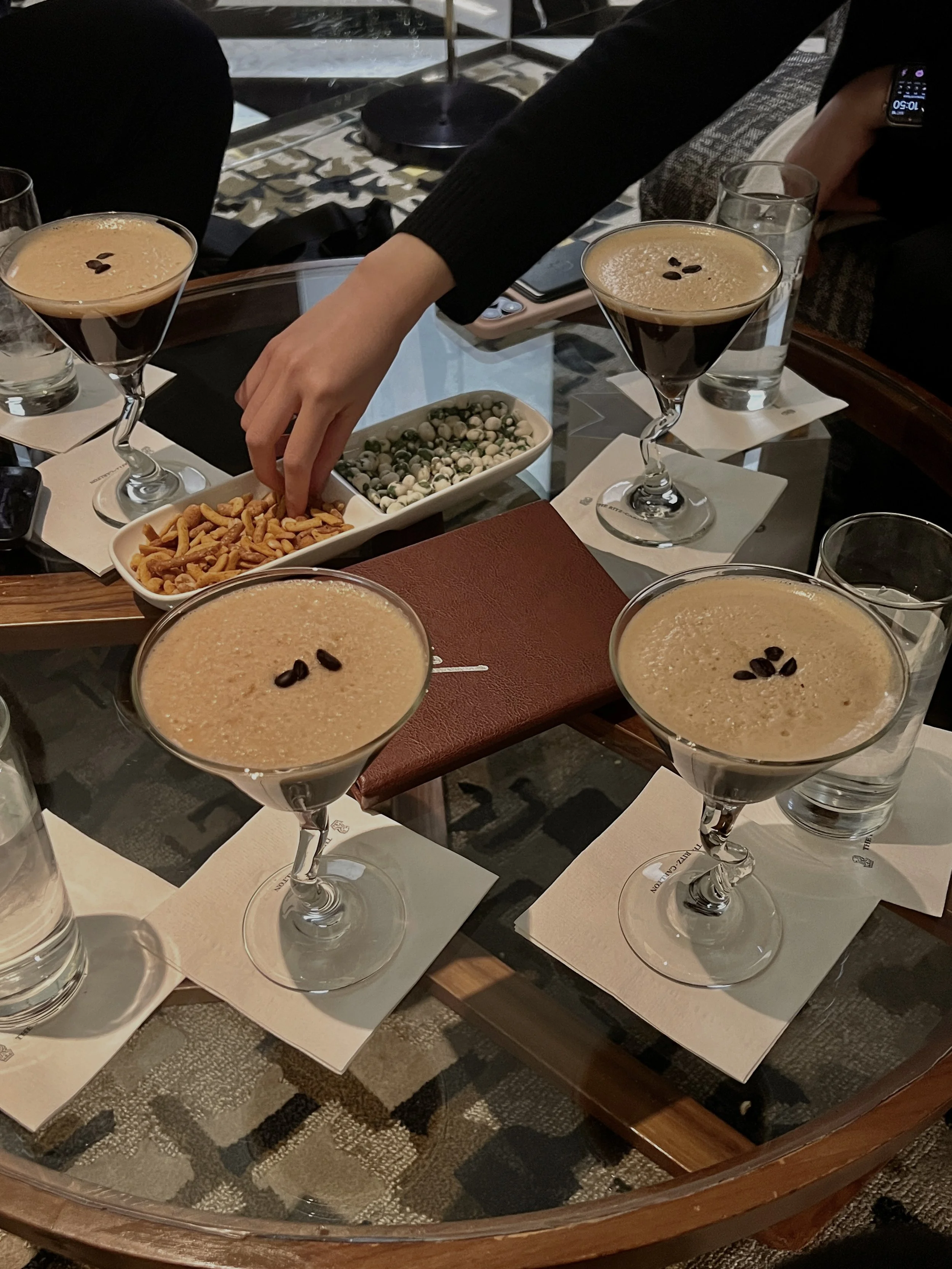
After market hours, Chicago does what it always does. We met up with friends who were in town for work. We did the architecture boat tour — which was actually way cooler than it sounds. Chicago’s skyline feels deliberate. Structured. Confident. We ate pizza. We had espresso martinis at the Ritz-Carlton bar. We ordered wasabi peas like that’s just… who we are now.
There’s something about decompressing after trade show days that makes everything taste better.
What Bridal Market Actually Teaches You
After attending markets as a buyer and working them from the exhibitor side, here’s what I know:
Everyone is tired. Everyone is trying. The businesses that survive aren’t always the flashiest — they’re the most resilient.
There’s an unglamorous side to entrepreneurship that doesn’t make it onto Instagram. Market is that reminder in real time.
Chicago has always been a work city for me, this trip just felt different. Not because of the outcome — but because of the perspective. You can show up for someone’s vision. You can support something without owning it. You can participate in a season and still move forward. And that’s allowed.
Working in the bridal industry as a hair and makeup artist has taught me a similar lesson.
I’ve watched bridal parties navigate high emotion, long timelines, unspoken expectations. I’ve seen lifelong friendships strain under the weight of jealousy, attention, pressure — moments that were supposed to be celebratory turning quietly tense.
Weddings magnify dynamics. Markets do the same.
At their best, both environments are about support — about showing up for someone else’s milestone without needing to be the center of it.
That’s harder than it sounds. But it’s a skill.
And it’s one worth mastering.
Shop the Post

