One Year Out
There’s a version of this writing that opens with something about perspective, about how close calls rearrange your priorities. That version isn’t this one.
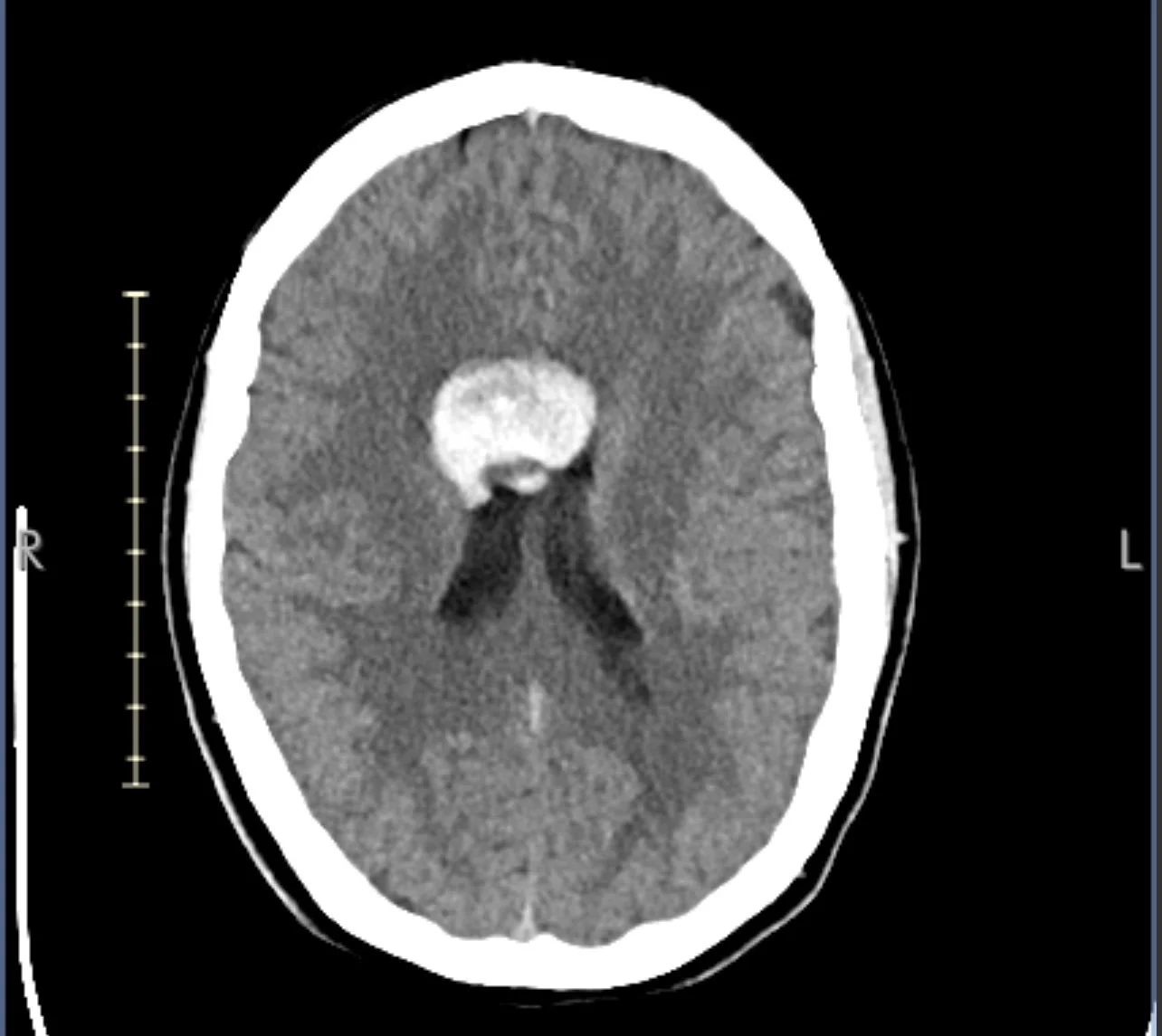
What I can say, plainly, is that I had brain surgery. That it went well enough. And that twelve months later, what I find most worth examining isn’t the event itself but the quiet recalibration that followed — the way certain things stopped making sense, and the way that loss of tolerance turned out to be clarifying rather than diminishing.

What Stopped Being Acceptable
The most immediate shift wasn’t emotional. It was operational.
There’s a category of friction that most people tolerate because they’ve never had a reason not to — the slow meeting, the circular conversation, the obligation maintained out of social inertia rather than genuine value. These things existed before the surgery. I participated in them. But somewhere in the months that followed, my threshold dropped considerably, and it didn’t come back.
This isn’t the same as becoming impatient or difficult. It’s closer to recalibration. When you’ve spent time in a situation where your options are genuinely limited, you develop a sharper eye for situations where your options are not — and you’re choosing constraint anyway, out of habit or politeness or a vague sense that opting out is somehow rude.
The tolerance didn’t disappear. It relocated — and it became more selective. Things that are hard but worth it remain worth it. Things that are merely uncomfortable without producing anything — those became untenable in a way I stopped apologizing for.
The Difference Between Urgency and Importance Is Now Obvious
Before, I understood this distinction intellectually. Afterward, I understood it structurally.
Urgency is loud. It creates pressure, it signals itself, it produces the sensation of necessity. Importance is usually quiet. It rarely announces itself or creates discomfort if you ignore it in the short term. The gap between the two is where most wasted effort lives.
What changes after something like this is that urgency loses some of its authority. When you’ve navigated an experience where the stakes were genuinely high and the timeline was genuinely compressed, the artificial urgency of ordinary professional and social life becomes easier to see for what it is. The email that needs a response today. The decision that has to be made this week. The conversation that feels pressing because someone else is anxious about it.
None of it disappeared from my life. I’m not operating in some elevated state of clarity. But I notice now when urgency is doing the work that importance should be doing, and I’m more willing to hold the line on that distinction than I used to be.
Time Is Not Abstract Anymore
Time used to function as something that was mostly in the future. There was more of it, generally. Plans had implicit room. Decisions could be revisited.
That relationship changed, and not in the way people typically describe when they talk about mortality as a motivator. It wasn’t that I became urgent about living, or started treating every day like it might be the last. That framing produces its own kind of noise.
What actually happened was simpler: the future became less reliable as a place to store things. I stopped using “later” as a strategy.
The things I was waiting to do until conditions were right — the projects, the standards I kept meaning to implement, the decisions I kept deferring — they didn’t suddenly feel urgent. They felt miscategorized. I had been treating them as future problems when they were present ones.
The practical result is that I stopped maintaining a very long list of things I’d get to eventually. Not out of pessimism. Out of a more accurate read of how much of that list was self-deception.

April 11, 2025
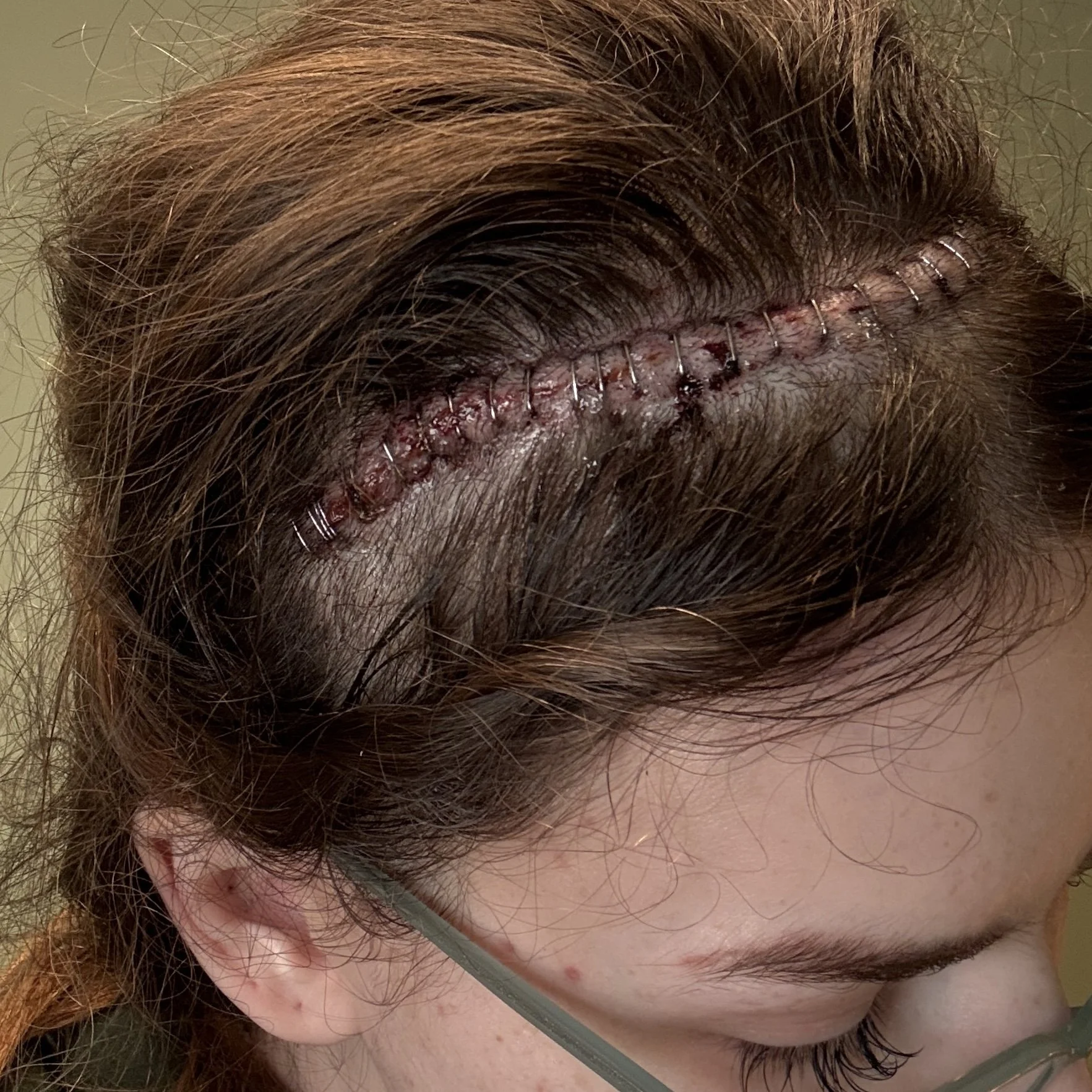
April 16, 2025
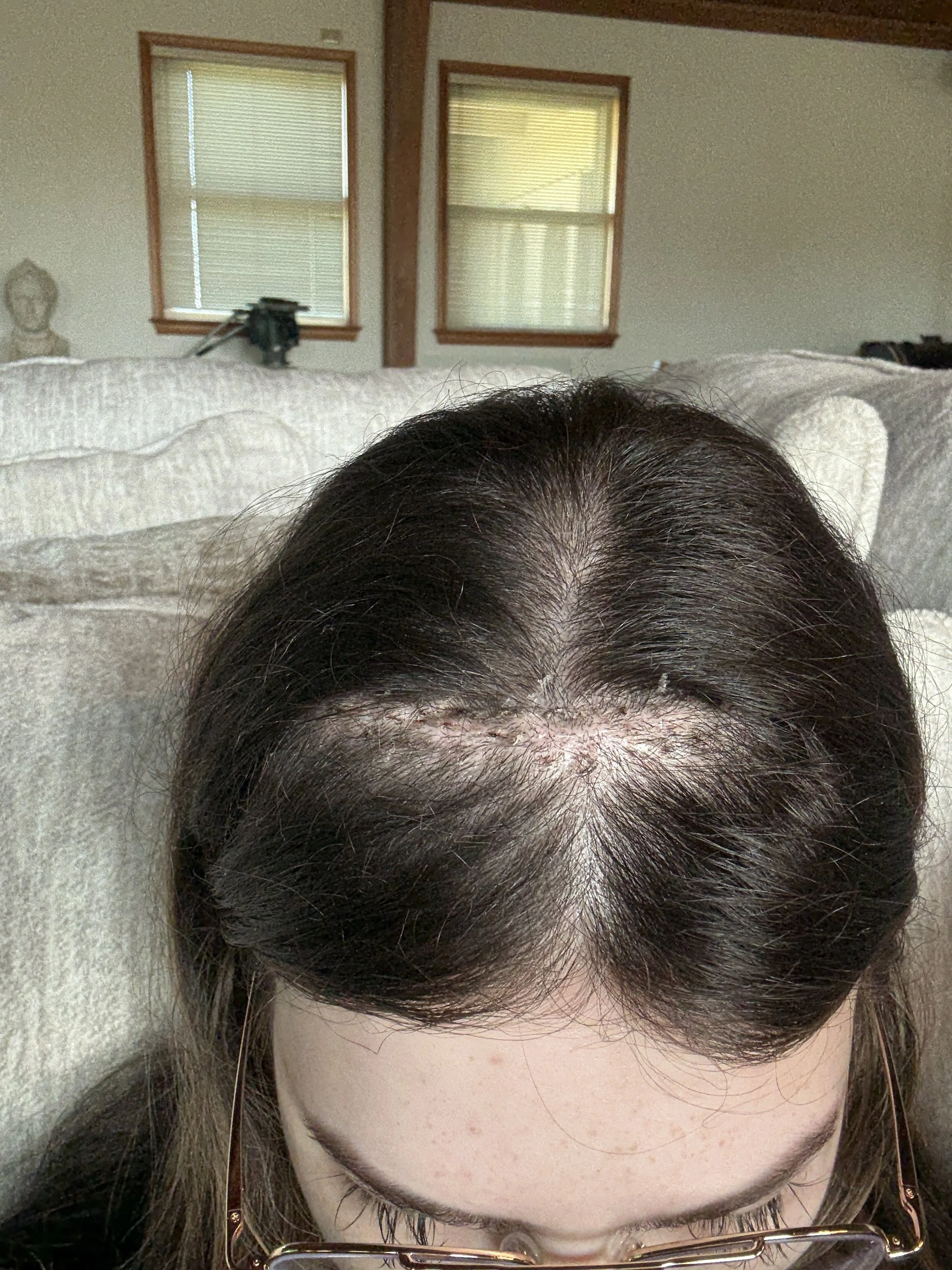
April 27, 2025
How Other People’s Behavior Reads Now
This section is harder to write without sounding superior, which I want to avoid. It’s not that I think I’ve figured something out that others haven’t. It’s more that the experience altered what I notice and what I find easy to dismiss.
What I notice more: the gap between what people say they value and what their behavior indicates they value. This gap is ordinary — everyone has it, myself included — but it’s wider than most people acknowledge, and it becomes easier to see once you’ve been in a situation where stated priorities and actual priorities had to collapse into one thing.
Someone says they value their health and hasn’t moved their body in four months. Someone says a relationship matters and they haven’t made time for it in a year. Someone says their work is important and they spend most of their working hours on things that don’t touch the work at all. These aren’t moral failures. They’re just the ordinary distance between aspiration and operation.
What changed is that I stopped finding this gap surprising, and I stopped trying to argue people out of it. The gap is theirs to close or not. What it does change is how seriously I weight what people say versus what I can observe. The observable behavior is the actual signal. Everything else is framing.
What I Doubled Down On
If something had to become intolerable, something else had to become more deliberate.
I doubled down on the work. Not in a compensatory way — not in the mode of someone who narrowly survived something and is now trying to make it mean something retroactively. More that the work clarified into what it actually was: the thing I’m most willing to protect. The work, the standards behind it, and the structure that keeps it moving, with or without me. I doubled down on the inputs. Reading more deliberately. Talking to fewer people but more substantively. Choosing, with more precision, whose thinking I let into regular rotation and whose I let fade.
And I doubled down on standards as a structural element rather than an aspirational one. Standards that are aspirational are motivational language. Standards that are structural change what you’re willing to produce and what you’re willing to tolerate, and they do so consistently rather than on days when you feel like it.
That distinction — aspirational vs. structural — turned out to be where most of the real work lives.
A Year Out
The event is behind the thinking now. It doesn’t require processing anymore; it’s been processed. In some ways, it always was. I didn’t experience it as something that required emotional processing in real time. It was something to move through, then evaluate later — if it required evaluation at all. What it produced isn’t a new identity or a refined purpose statement. It’s a cleaner operating picture — fewer things I’m willing to pretend are fine, a shorter list of things I’m waiting to start, a more accurate sense of what actually warrants attention.
That’s the honest accounting. Not a transformation. An adjustment.
Adjustments that hold up over time tend to be worth more than revelations that fade. This one has held.
